Before asking what a site could become, it is worth understanding what its existing buildings can still offer.
An inventory of possibilities
The survey at Canal Works began with an inventory: structure, windows, doors, stairs and the marks left by previous occupants. Not everything could remain. But starting with a presumption of usefulness changed the questions we asked.
A frame with more to give
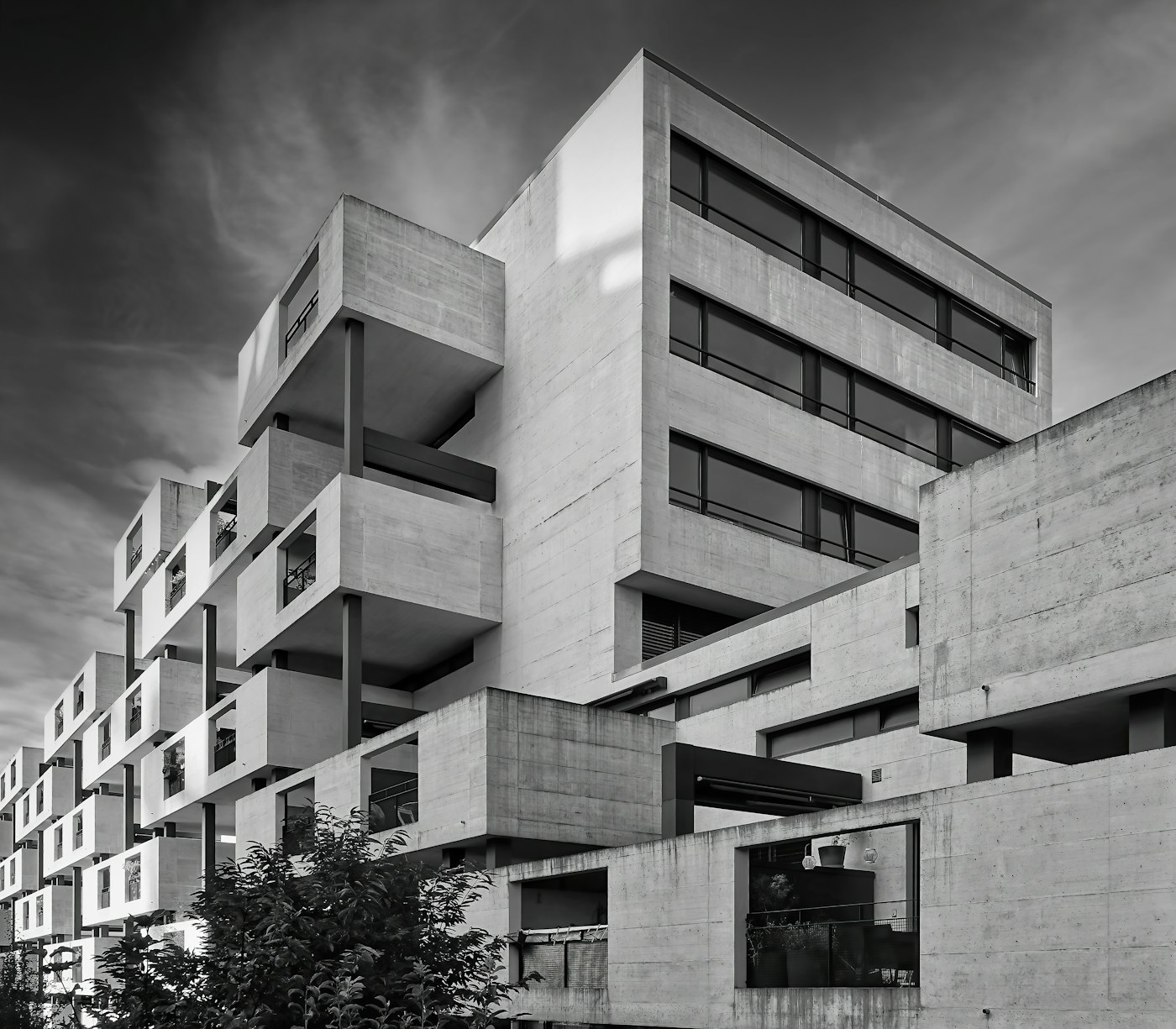
The concrete frame had decades of useful life ahead of it. Its generous spans could accommodate new uses with limited intervention. Retaining it was both a material decision and a way of keeping the building’s particular character.
New work, clearly legible
New timber elements sit lightly within the retained structure. They are recognisably contemporary, but their dimensions follow the rhythm of the existing bays. Difference and continuity do not have to work against each other.
After completion
A building designed for adaptation should leave the next team useful information. At handover, a material register records what was retained, what was added and how it can be taken apart. Future change is treated as an expected part of the building’s life.
Notes from an independent practice.
Copenhagen · London · Kyoto